Handwriting removed, a printable A4 scan
A phone photo of a completed worksheet — answers in pen and pencil, page at an angle, desk light in frame — rebuilt as a blank sheet: handwriting gone, the map grid restored, the page squared up onto A4 at 300 dpi.
Before & after
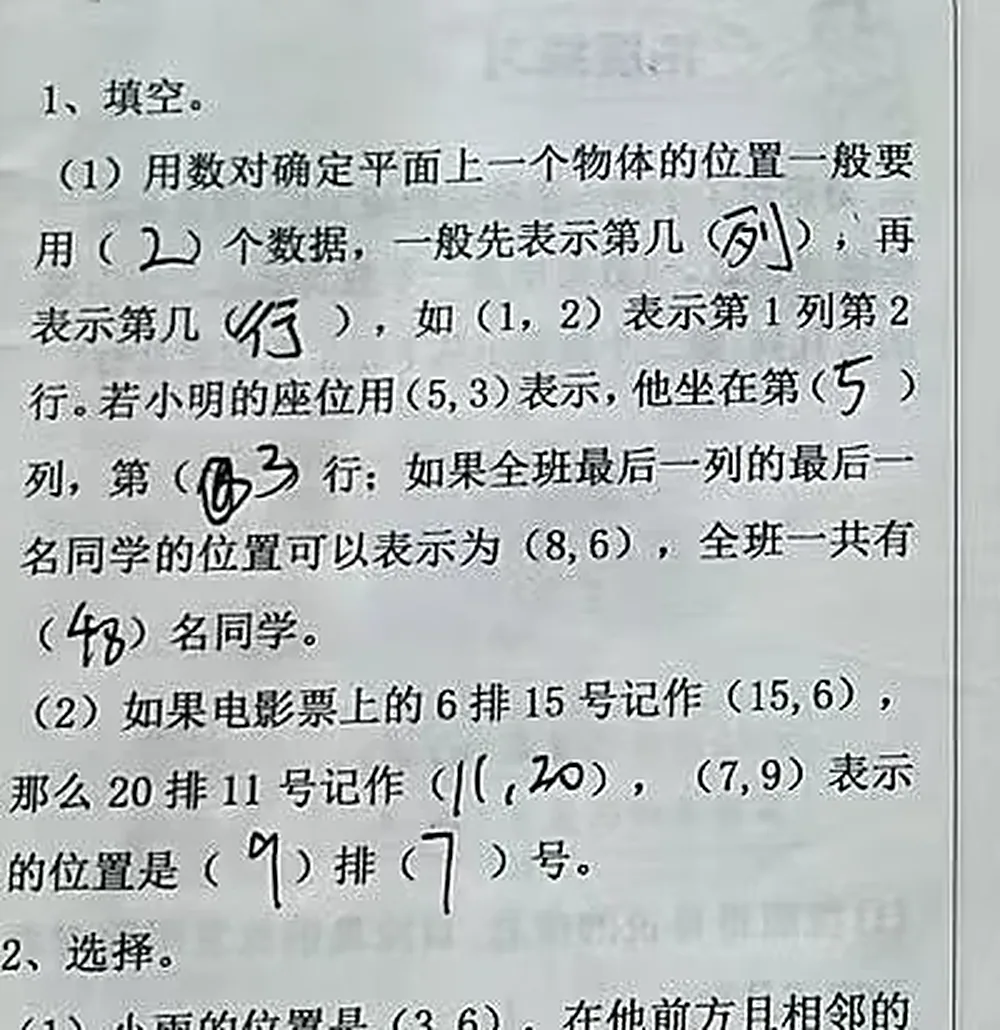
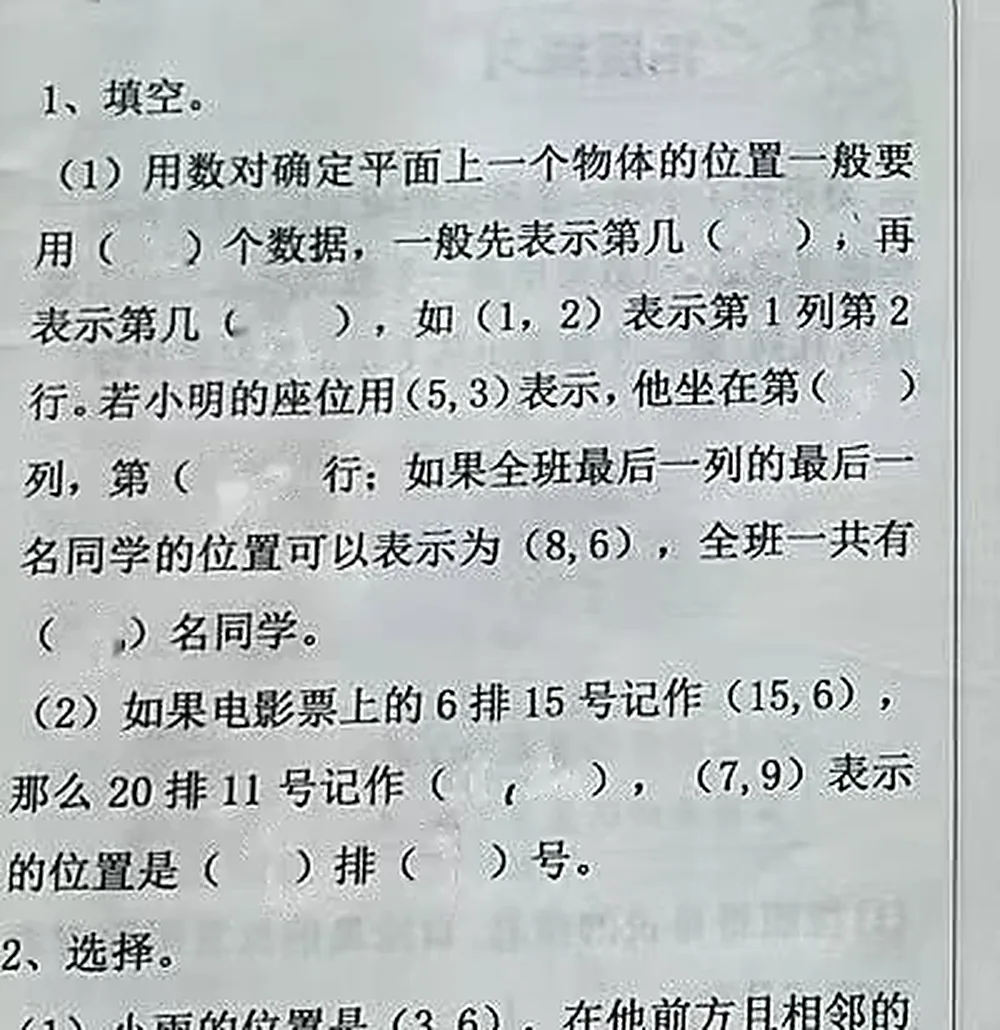
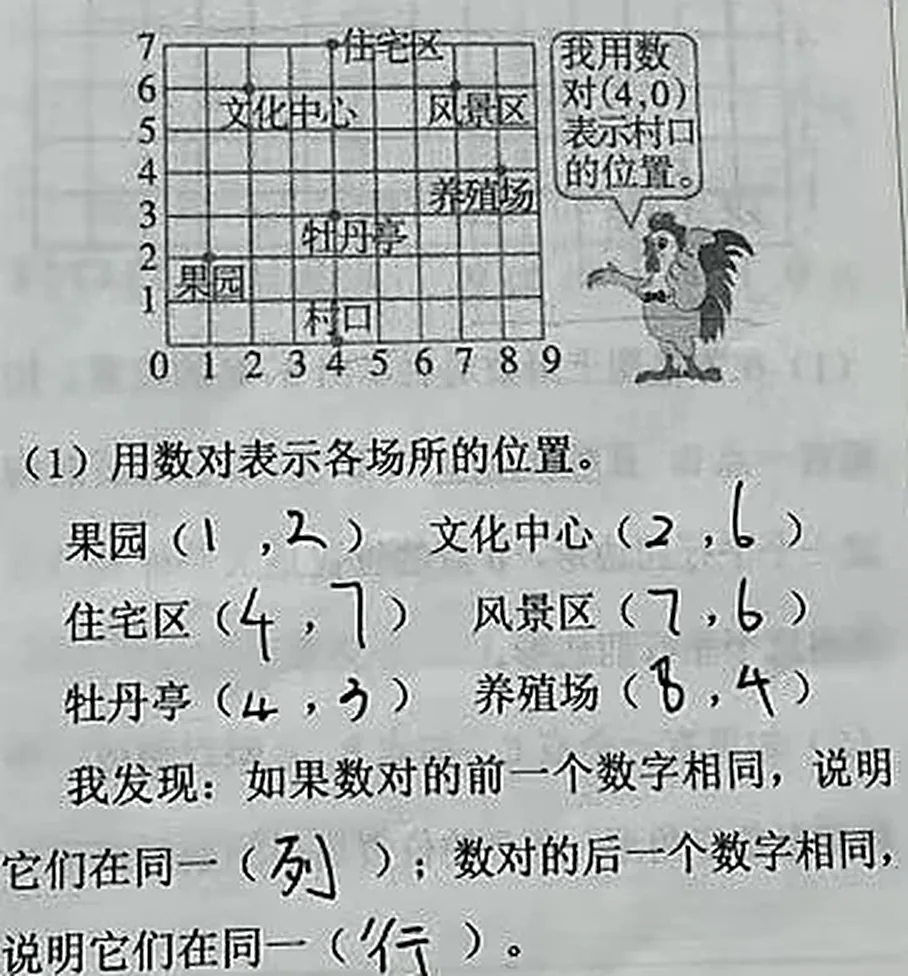
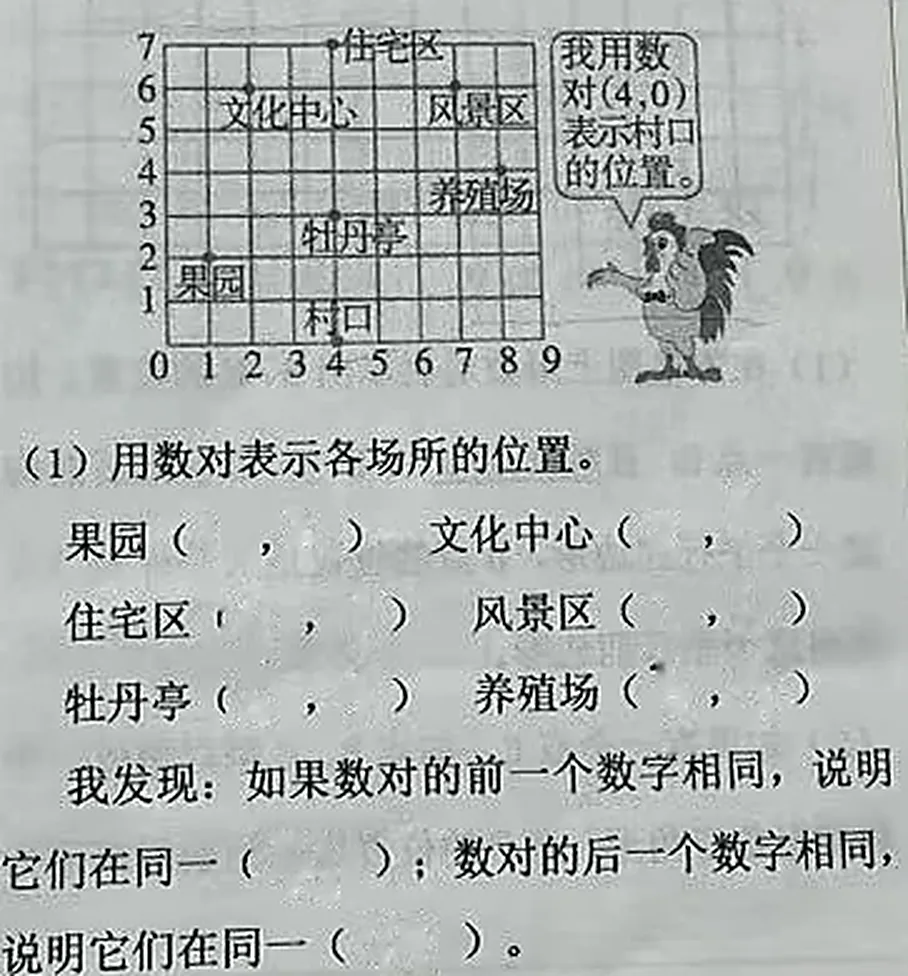
The task
The source was an ordinary phone photo. The sheet lay on a desk at an angle, every blank had been filled in by hand, and the paper carried the colour cast and uneven light of a room. What had to survive was the printed content: question text, answer brackets, the 0–10 axes, the page number.
Coloured answers were removed by hue. Black pen and pencil were located against the paper tone, masked, and filled from the surrounding paper rather than painted white, so the fibre texture stays continuous. Where handwriting crossed the map grid it left gaps; those segments were redrawn between endpoints measured on either side. The page was then squared up from a 10×10 grid inside the sheet and laid out on A4 at 300 dpi with a warm paper tone and a trace of grain — sharpened, never thresholded, so thin diagram lines survive printing.
Every printed element is in place: prompts, brackets, grid labels, page number. Both A4 orientations print cleanly. The comparison below is cropped from the sheet.
How Xiaohe did it
1. Separate the ink
Split coloured pen by hue; separate black and pencil strokes from the paper with a local threshold, not a global one.
2. Mask and repair
Convert the strokes to a mask and rebuild the paper underneath from neighbouring texture instead of flat white.
3. Rebuild the grid
Redraw each interrupted map-grid segment between the measured endpoints so the lines meet again.
4. Straighten the page
A 10×10 grid inside the sheet supplies the homography; margins and edges follow the corrected page.
5. Lay out A4
300 dpi, warm-white paper, very light grain and mild sharpening — no binarisation, so fine lines stay intact.
6. Check before printing
Compare against the blank original: no handwriting left, printed lines unbroken, page number and legends kept.
Skills used
- exam-clean
- Pillow · OpenCV
More works
Real tasks, from the terminal to a finished document.